A maritime legacy we row, honour and pass on. Discover the history that brought us here.
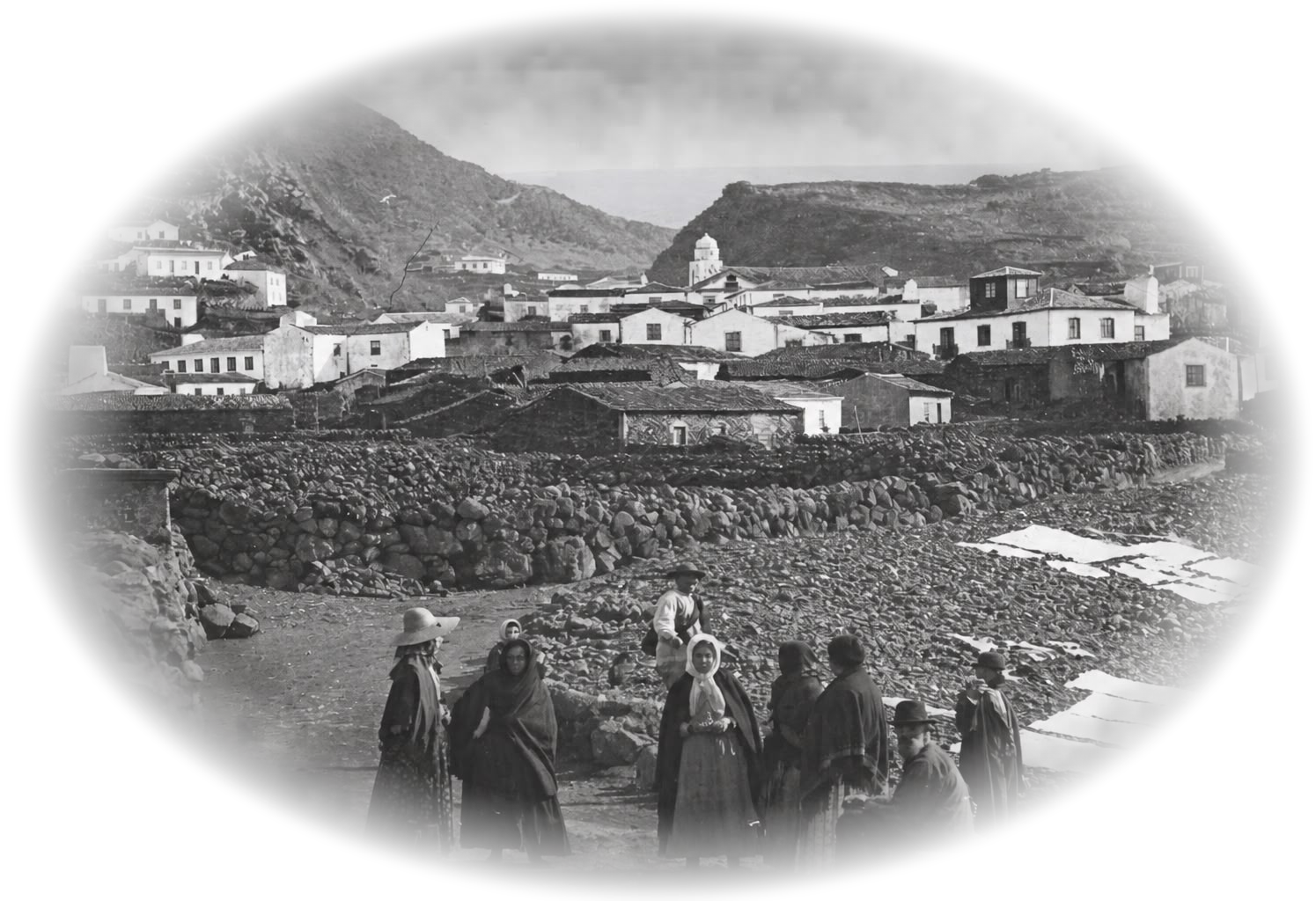 Fig. 5. Questioning the images — photographic archive of the Azorean whaling tradition
The date and location of the formation of the first women’s whaleboat crew in the Azores have yet to be established through documentary evidence, although accounts suggest that such crews may have begun to emerge in 1997 or 1998.
There are accounts of a women’s crew on Faial, associated with the whaleboat Claudina, that took part in the Semana do Mar regattas and Semana dos Baleeiros regattas in Lajes do Pico.
We row together. The tradition continues.
The public documentation consulted clearly confirms women’s whaleboat rowing regattas in Horta since at least 2007, although there are indications that organised participation by women began earlier.
Today we compete alongside men, with the same determination, respect and dedication.
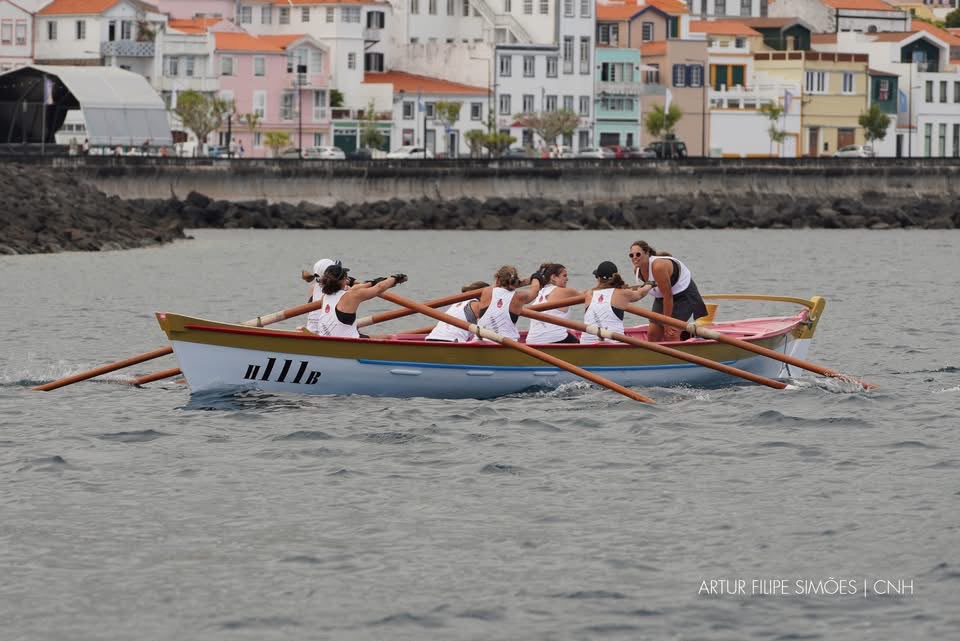 Artur Filipe Simões | CNH
After the decline of whaling, whaleboats began to be used in regattas and competitions, keeping communities’ connection to the sea alive.
Whaleboat regattas began to be organised more regularly in the Azores, becoming an important sporting and community event.
The whaleboat tradition continues to evolve, welcoming more women and strengthening its role in the cultural and sporting heritage of the Azores.

Beyond competition, we row to preserve a unique cultural heritage, strengthen ties between communities and inspire future generations.
★THE SEA TEACHES.
TRADITION UNITES.
ROWING TRANSFORMS.
From the quay to the boat, the tradition continues.
Today women no longer stay on the quay. They row too.
The history of women in Azorean whaling is compelling precisely because their importance was not generally reflected in their presence aboard boats during the hunt. Azorean whaling was an essentially male maritime activity, but it involved entire communities, and women were deeply connected to the household economy and the social life surrounding it.
Women did not go on the hunt — but they were part of the whaling world.
During the active whaling period in the Azores, which ended in the 1980s:
Women played vital roles in processing sperm whales in factories, cleaning and managing household finances and family life while men were at sea. On Santa Maria, for example, a woman was recorded as a shareholder in a whaling company.
Women often helped spot the “whale sighted” signal and faced the anguish of waiting for boats to return after maritime accidents.
The crucial role of these communities was recently portrayed in the documentary “Mulheres do Mar – Açores”, supported by the Government of the Azores to recognise women’s contribution to the region’s maritime culture.
With the end of whaling, whaleboats were restored and turned into sporting vessels. In this new chapter, women are fully involved:
Prestigious regional and international events, such as the Semana dos Baleeiros regattas in Lajes do Pico and Semana do Mar regattas on Faial, feature dedicated women’s rowing and sailing categories.
Azorean women’s teams frequently compete and win at international events, such as the International Whaleboat Regatta in New Bedford, USA, demonstrating equal physical and technical skill in handling these demanding vessels.